
Iowa spoiled me. Back home, you could plant pretty much anything in May and have a jungle by August. Then I moved to a place where the average frost free season is somewhere around 95 to 110 days, and some years it feels like 80.
The upside nobody tells you about: summer days up here are long. Really long. In late June it’s still light out past 10pm, and once plants get going they grow like crazy. You just have to pick stuff that can finish the race.
After about ten seasons of trial and error (mostly error), this is my list.
Stuff that never lets me down
- Lettuce and salad mix. Ready in 30 to 50 days, loves cool weather. I sow it in May and again in early August.
- Radishes. Four weeks, done. My nephew plants these every time he visits because he likes seeing results before he goes home.
- Peas. In the ground the second I can work the soil, usually early to mid May. They shrug off light frost.
- Spinach. Early spring and late summer only. It bolts the minute July gets hot.
- Kale. Indestructible. I’ve picked kale out of the snow in November and it tasted better than in July.
- Green onions. Tuck them anywhere.
Roots love it here
Cool soil is basically made for root crops. Even my clay grows decent carrots once I mixed in a few years of compost.
- Carrots: I go for shorter varieties like Danvers or Chantenay because of the clay and rocks. Long skinny ones just fork.
- Beets: two crops in one, roots and greens.
- Potatoes: Norland and Yukon Gold are my go tos. We’re eating new potatoes by late July.
- Rutabaga: old school, I know. Mark’s mom makes a rutabaga mash at Christmas that converted me.
The ones you have to be smart about
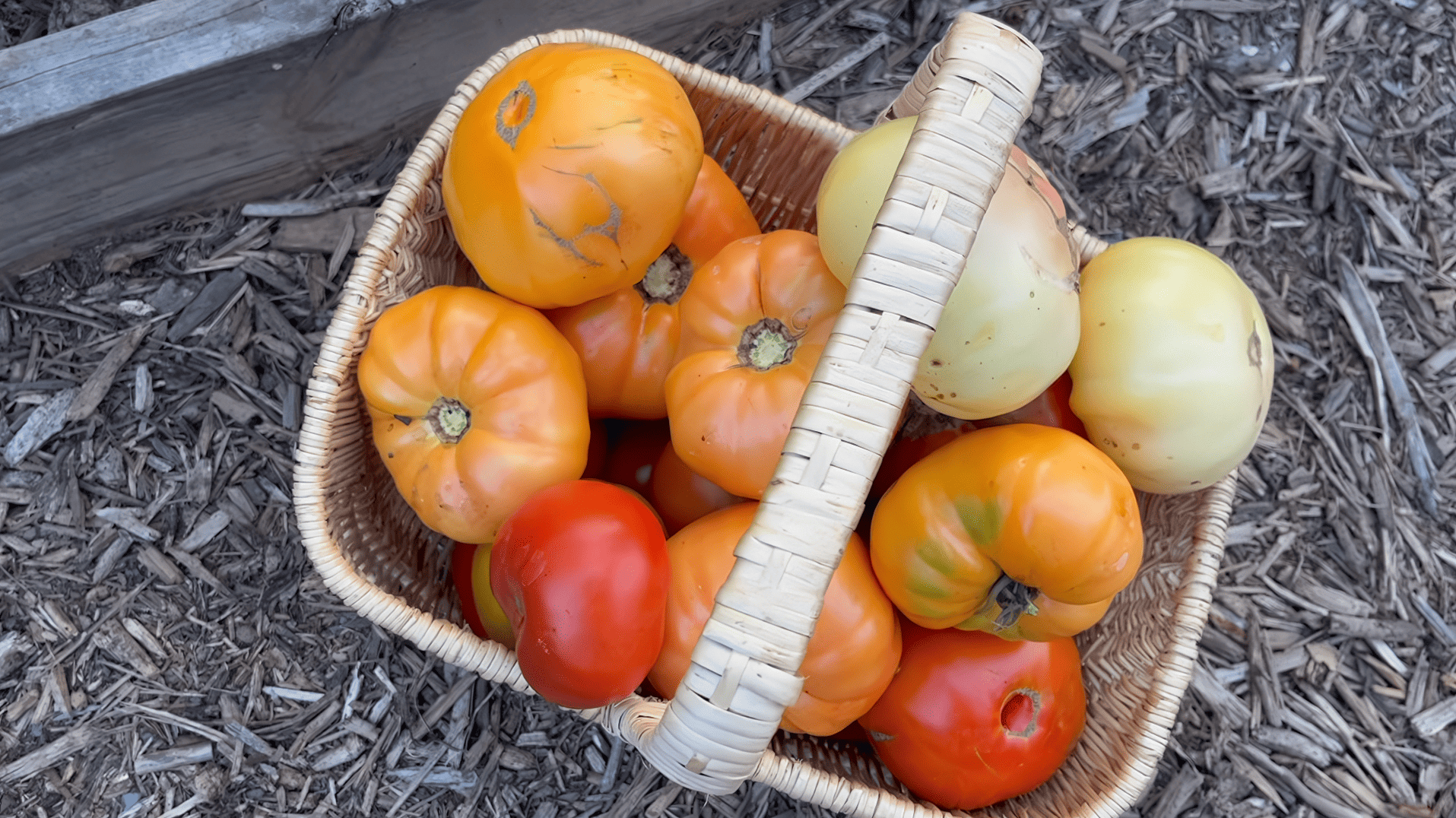
Tomatoes. Forget the giant beefsteaks. I grow cherry tomatoes and early varieties in the 55 to 70 day range, and they go right against the south wall of the house where it’s warmest. Even then, I’m usually ripening a few green ones on the counter in September.
Squash. Zucchini is easy. Too easy. One plant feeds us plus half the road. Winter squash is harder, so I stick to smaller ones like delicata and buttercup. Giant pumpkins are a no.
Beans. Bush beans beat pole beans for speed. Wait until the soil is properly warm, mid June for me, or the seeds just rot.
Cucumbers. These do best in my little polytunnel. Outside they’re hit or miss depending on the summer.
What I’ve given up on
Melons without a greenhouse. Sweet potatoes. Okra. Habaneros outside. I’ve tried all of them at least once because I’m stubborn and from Iowa. Iowa me thinks everything should grow. Ontario me has the compost pile full of evidence that it doesn’t.
A few tricks that buy me time
Row cover fabric is the single best thing I’ve bought for this garden. It gives a few degrees of frost protection and saves me at least once every June and once every September. Raised beds warm up faster in spring than the ground does. And anything planted against stone or a south facing wall does noticeably better because the stone soaks up heat all day and gives it back at night.
If you’re not sure what zone you’re in, check the Government of Canada plant hardiness zone map instead of trusting plant tags at the garden centre. Then look for short “days to maturity” numbers on seed packets. That’s honestly most of the battle.
If I had to plant a garden tomorrow with only 95 days, it’d be lettuce, spinach, peas, radish, carrots, beets, kale, potatoes, bush beans, zucchini, cherry tomatoes and a couple of delicata squash. Every one of those will make it.
